
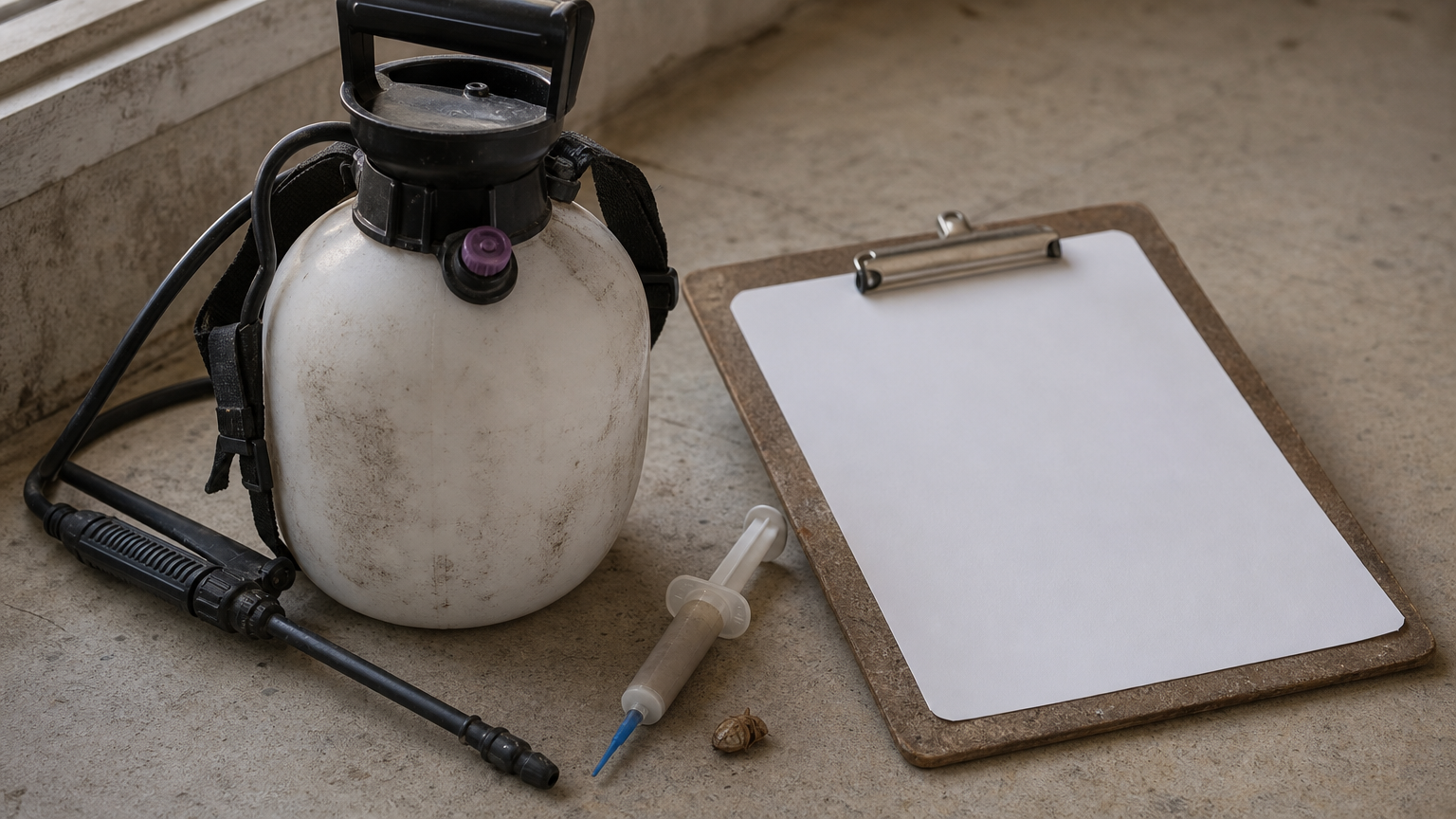
You spotted one roach in the kitchen at night, then two more near the sink the next morning. That’s usually the moment homeowners start searching for an exterminator cockroaches treatment they can trust, because DIY sprays and traps only knock back the numbers you see, not the nest you don’t.
Hiring the right cockroach exterminator comes down to a few specifics: knowing which treatment methods actually work for German versus American roaches, what licensing and guarantees to demand before you pay a dime, and how to tell a thorough inspection from a quick spray-and-go visit. Get those details right and you eliminate the infestation instead of just thinning it out for a few weeks.
This guide walks you through exactly how to vet a roach exterminator service, what questions to ask during your first call, red flags that signal a low-quality provider, and realistic pricing so you’re not overpaying. We’ll also cover how to prep your home for treatment and what follow-up visits should look like, so you hire once and actually solve the problem.
Why hiring a cockroach exterminator often beats DIY
Roaches reproduce faster than most homeowners realize, and that math is exactly why DIY treatments fail so often. A single female German cockroach can produce 200 to 300 offspring in her lifetime, and a small population can explode into a full infestation in about three months. Store-bought sprays kill the roaches that wander into contact, but they don’t touch the egg cases tucked behind baseboards or inside wall voids, so the population rebounds within weeks.
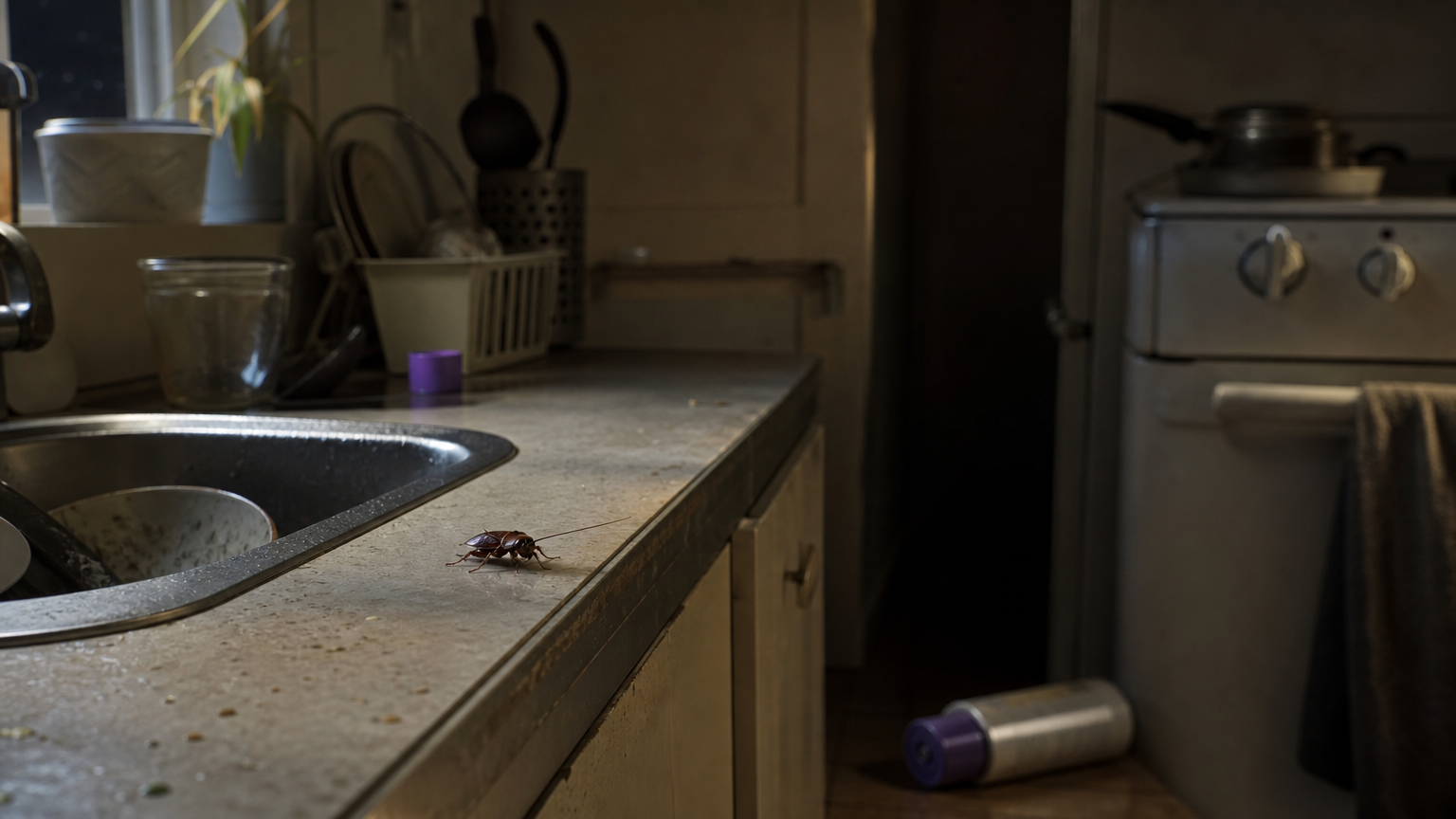
Grocery store products also treat symptoms, not the source. Bait stations and foggers hit visible activity, but roaches nest in places you can’t reach: behind refrigerators, inside dishwasher motors, under sinks, and deep in wall cavities near plumbing lines. A licensed cockroach exterminator uses inspection tools and knowledge of roach behavior to trace activity back to the nest, then applies treatment where it actually breaks the breeding cycle.
A DIY spray kills the roaches you see tonight; a professional treatment stops the ones you’ll see next month.
Exterminators also carry access to restricted-use pesticides and application methods that aren’t sold to consumers, including growth regulators that sterilize roaches over several generations and gel baits formulated to spread through a colony via grooming and feeding behavior. The EPA regulates these products more tightly than retail formulas precisely because they’re more effective, which means the tools a professional uses simply outperform what’s on a hardware store shelf.
DIY vs. professional treatment: a quick comparison
| Factor | DIY Sprays/Traps | Professional Exterminator |
|---|---|---|
| Targets nests, not just visible roaches | No | Yes |
| Access to growth regulators & restricted pesticides | No | Yes |
| Typical results timeline | Days, then rebound | 2 to 4 weeks, sustained |
| Follow-up visits included | No | Often, with service plans |
| Cost over 3 months (recurring product purchases) | $60 to $150 | $150 to $400 |
Beyond effectiveness, hiring an exterminator for cockroaches protects your health and your home. Roaches trigger asthma and allergy symptoms in kids and adults, and they contaminate food surfaces as they move between drains, trash, and countertops. Repeated do-it-yourself attempts also mean repeated exposure to pesticide residue in kitchens and bedrooms, since consumer products aren’t always applied at the right concentration or in the safest locations.
Same-day availability matters too, especially if you’re dealing with a rental unit or a health inspection deadline. Booking through a platform like Your Local Home Services connects you with licensed, insured pest control pros who can often schedule an inspection within 24 hours, rather than waiting days for a callback from a single local company. That speed, combined with treatments built for actual roach biology instead of guesswork, is why most homeowners land on a professional after their second or third can of spray fails.
Step 1. Identify your roach problem and its severity
Before you call anyone, spend ten minutes figuring out what you’re actually dealing with. The species matters because treatment plans differ: German cockroaches are the small, tan roaches that infest kitchens and bathrooms and reproduce fastest, while American cockroaches are the larger, reddish-brown roaches that favor basements, sewers, and crawl spaces. Telling your exterminator which one you’re seeing helps them show up with the right bait and equipment on the first visit instead of guessing.
Signs your infestation has moved past minor
Check for these indicators, since they tell you whether you need a single treatment or an ongoing plan:
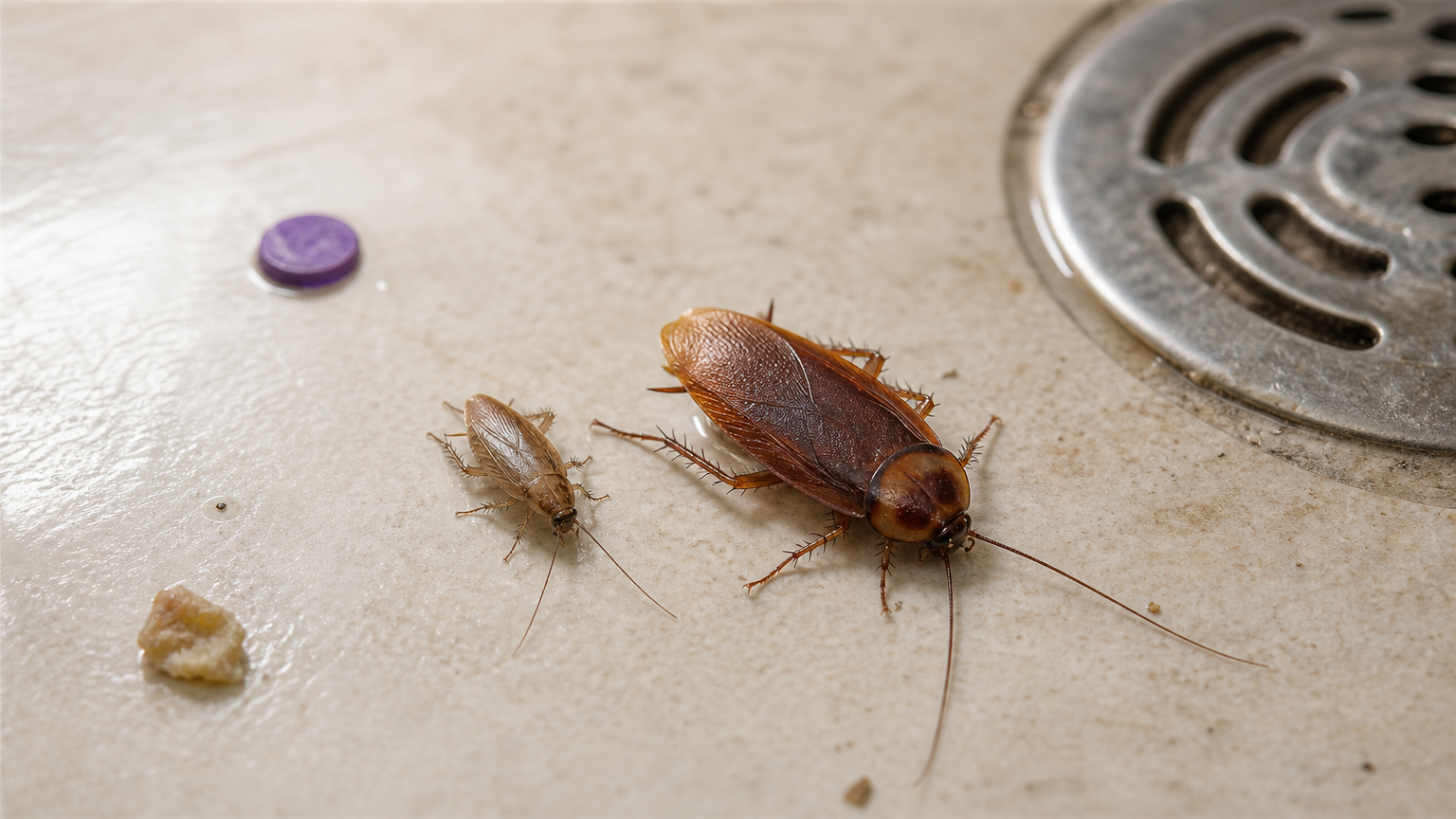
- Daytime sightings: roaches are nocturnal, so seeing them in daylight usually means the population is too large for the nest to support them at night
- Droppings that look like coffee grounds or black pepper, especially in drawers, cabinets, or under appliances
- A musty, oily odor near infested areas, caused by pheromones roaches use to communicate
- Egg casings (oothecae), small brown capsules stuck to surfaces in hidden corners
- Multiple rooms affected, not just one problem area near a drain or trash can
One or two roaches near a drain at night is often manageable with a targeted treatment. Daytime activity, odor, and droppings across multiple rooms point to a colony that’s already established, and that changes what you should ask an exterminator for cockroaches to quote you.
If you’re seeing roaches during the day, you’re not looking at a few strays, you’re looking at an overcrowded colony.
Gathering this information before your first call also speeds up scheduling. Most roach exterminator service providers ask about sighting frequency, affected rooms, and any food or water sources nearby, so having answers ready means less time on the phone and a faster path to an accurate quote.
Step 2. Find and vet licensed exterminators near you
Once you know what you’re dealing with, start narrowing down providers instead of grabbing the first search result. Licensing is non-negotiable: every state requires pest control companies to hold a pesticide applicator license, and reputable companies list that number on their website or hand it over the moment you ask. If a company hesitates or can’t produce proof of licensing and insurance, cross them off your list immediately, because an uninsured applicator leaves you liable for any property damage or injury during treatment.
Questions to ask before you book
Calling around still matters even when you’re using a matching platform, so keep this checklist handy:
- Are your technicians licensed and insured in this state?
- What’s your inspection process before treatment begins?
- Do you treat German and American roaches differently?
- What’s included in a follow-up visit, and how many are covered?
- Do you guarantee results, and what happens if roaches return?
A licensed, insured roach exterminator service should answer every one of these without hesitation, on the first call.
Reviews tell you more than star ratings alone. Read the one- and two-star reviews specifically, since that’s where you’ll spot patterns like missed appointments, rushed inspections, or techs who sprayed visible areas without checking behind appliances. A cockroach exterminator with dozens of reviews mentioning follow-up visits and thorough inspections is a better bet than one with high ratings but vague, one-line testimonials.
Searching individually also means comparing five or six companies by hand, checking licenses one by one, and hoping someone calls back same day. Using Your Local Home Services skips that legwork: submit one request, and you’re matched with licensed, insured pest control pros in your area who already meet vetting standards, often with same-day home services scheduling available. That matters if you’re watching daytime sightings turn into a bigger problem while you’re still making phone calls.
Step 3. Compare quotes, treatments, and service plans
Once you’ve got two or three licensed providers on the phone, resist the urge to book whoever quotes the lowest number. Pricing for an exterminator for roaches varies based on infestation severity, home size, and whether the plan includes follow-up visits, so a $99 one-time spray isn’t actually cheaper than a $250 plan that includes three treatments and a guarantee.
What a real quote should include
Ask each company to break down their quote in writing before you agree to anything. A complete quote covers the initial inspection, the treatment method (bait, gel, growth regulator, or a combination), the number of follow-up visits, and what happens if roaches reappear between visits.
| Service Type | Typical Cost | What’s Included |
|---|---|---|
| Single treatment | $100 to $250 | One visit, spot treatment, no guarantee |
| Standard plan (3 visits) | $250 to $450 | Initial treatment plus two follow-ups over 60 to 90 days |
| Quarterly maintenance | $40 to $100 per visit | Ongoing prevention after infestation clears |
| Severe infestation package | $400 to $700+ | Multiple treatments, wall injections, monitoring |
The cheapest quote almost never includes the follow-up visits that actually finish the job.
Guarantees matter as much as price. A reputable cockroach exterminator stands behind their work with a re-treatment guarantee, usually 30 to 90 days, at no extra charge if roaches return. Skip any provider unwilling to put that guarantee in writing.
Treatment method also deserves a direct question. Gel baits and growth regulators work over several weeks by spreading through the colony, while contact sprays only kill what they touch immediately. If a technician’s plan is spray-only with no bait or monitoring, that’s a sign they’re treating symptoms rather than the source, and you should ask why before you sign anything.
Before committing to any single quote, run your top options through Your Local Home Services, which matches you with pros who already disclose pricing structure and guarantee terms upfront, so you’re comparing real numbers instead of vague estimates over the phone.
Step 4. Prepare your home and schedule the treatment
Scheduling the treatment is only half the job. What you do in the 24 hours before your roach exterminator service arrives directly affects how well the treatment works, since baits and growth regulators need roaches actively foraging to spread through the colony. Skip the urge to deep-clean everything with bleach right before the visit, because strong chemical odors can actually repel roaches from bait stations for days.
Prep checklist before your appointment
Most exterminators for cockroaches send a prep sheet ahead of time, but here’s what it typically covers:
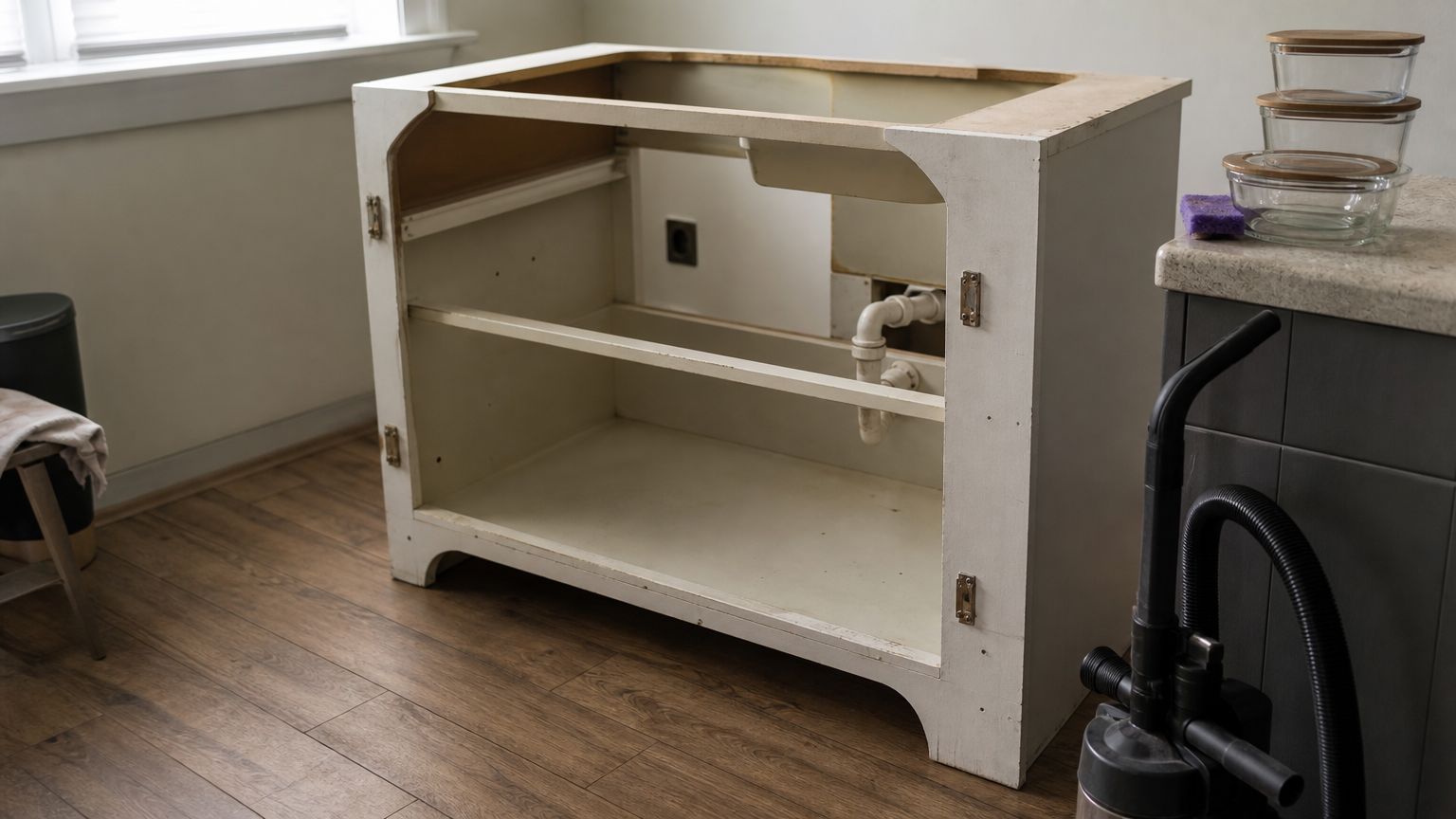
- Clear out under-sink cabinets and pull items away from walls so technicians can reach baseboards
- Wash dishes and wipe counters, but skip spraying disinfectants directly where bait will be placed
- Store food, including pet food, in sealed containers rather than open bags or boxes
- Vacuum visible droppings and egg casings so the tech can assess fresh activity accurately
- Remove clutter from closets and dark corners, since roaches nest wherever cardboard and paper collect
A cluttered kitchen hides the exact spots your exterminator needs to treat first.
What happens during and after the visit
A thorough cockroach exterminator starts with a walkthrough, checking under appliances, inside cabinets, and along plumbing lines before applying anything. Expect gel bait placed in cracks and corners, growth regulator dusted into voids, and possibly a light perimeter spray outside entry points. Ask the technician to walk you through exactly where they treated, since that tells you whether they focused on nesting sites or just sprayed visible surfaces.
Plan on staying out of treated areas for the timeframe the tech specifies, usually a few hours, and avoid mopping or wiping down baited surfaces for at least a week. If you booked through Your Local Home Services, your confirmation includes prep instructions and a direct line to reach our team any time if something comes up before appointment day.
Getting your home roach-free for good
Roaches don’t go away because you sprayed once and stopped seeing them for a week. Getting rid of them for good means identifying the species, vetting a licensed provider, comparing real quotes with guarantees attached, and prepping your home so treatment actually reaches the nest. Skip any of those steps and you’re back to buying cans of spray every few months while the colony rebuilds behind your walls.
Quotes and licensing checks take time when you’re calling companies one by one, and that’s exactly the legwork a matching service is built to remove. You describe the problem once, get matched with licensed, insured pros who already disclose pricing and guarantees, and schedule an inspection without spending your evening on hold.
If you’re ready to stop guessing and get a real inspection on the calendar, request professional pest control services and get matched with a vetted, licensed roach exterminator near you today.
If the roaches you’re fighting are in Central Texas, our pest control services in Austin, TX page shows how to get a local exterminator out quickly.